
When we go out wearing a mask, what we’re actually telling all the people around us is “I respect you, and I want to protect you”.
I tried to go running in a mask this morning. It sucked. All those women (the internet has dubbed them Karens) who complain about not being able to breathe when they wear their mask to the supermarket have clearly not tried doing hill sprints in them.
If you keep an eye on this site, you may have seen our previous article about fashion in the time of COVID-19, but here’s a brief summary– masks are going to be around for a while, so we better get used to them. Why though, does it feel so hard to adjust to this new necessity?
The truth is, physical discomfort is probably only one very small reason Western societies have been struggling to adapt to mask culture.
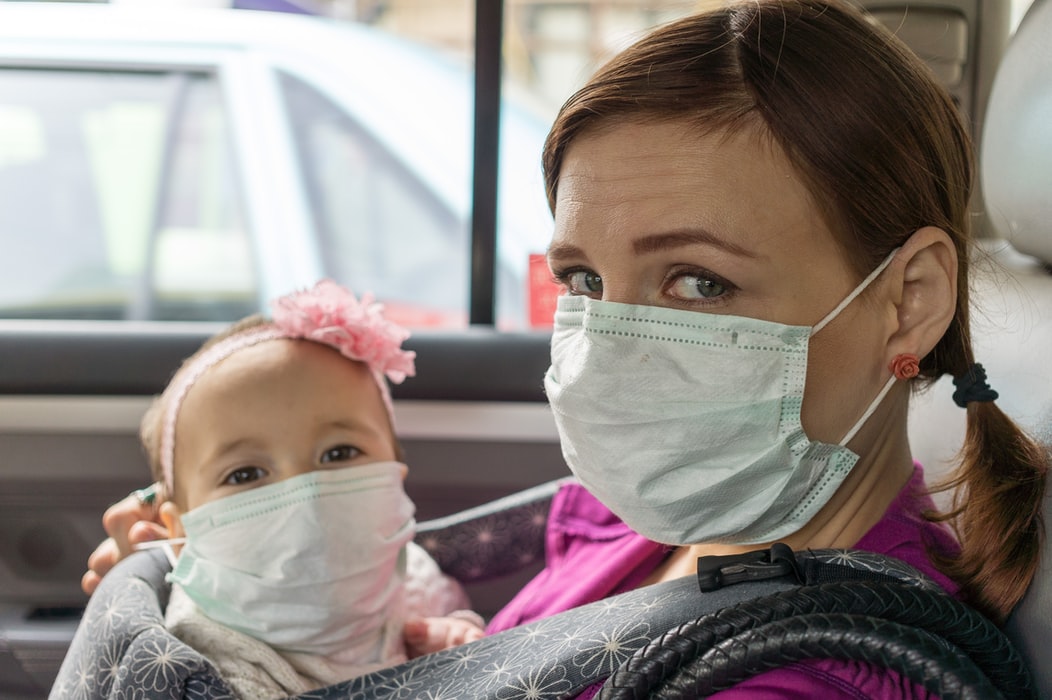
Leaving the house lately (on essential trips only) comes with some mixed feelings. On one hand, I’m nervous about everything that’s going on and being in a store with a bunch of strangers makes me agitated and grumpy. On the other hand, I’m filled with a tremendous sense of pride at how quickly South Africans have taken to wearing masks.
Everywhere you look people have adopted some kind of face covering, whether it be a bandana, a homemade cloth mask, or a surgical mask, and while we can debate the connotations of these or their effectiveness all day, the point is people are doing their best. In the news, however, I’m seeing a very different story play out in Western cultures abroad.
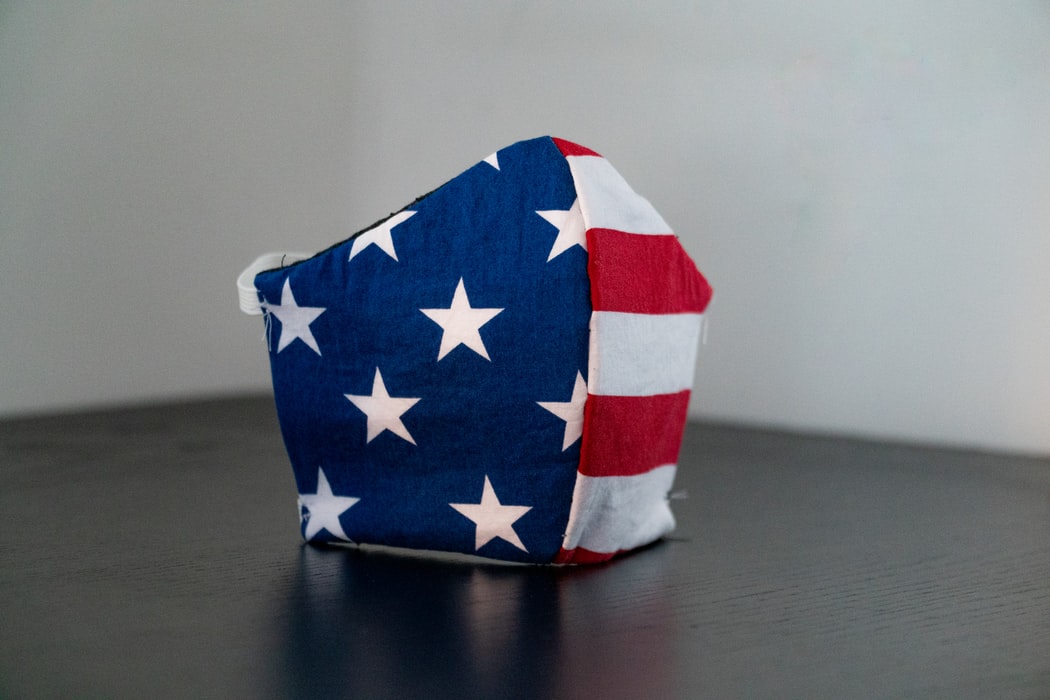
News coming out of America shows that many feel that the act of wearing or not wearing a mask has become a political one, clearly divided by party lines. In an article titled Are Masks Just For Liberals, Ed Kilgore writes that many people living in conservative states “might regard mask-wearing as effete, or as a surrender of autonomy, or as something Asian“.
On top of these perceived negative qualities, Kilgore writes that Trump’s position on mask-wearing – “suggesting it’s a good practice that he will not himself follow”– has given many of his supporters the idea that as Republicans, they need not comply with the guidelines set by every reputable medical body in the world.
In South Africa, and most other Western societies, we’re not burdened (or incapacitated) by this political partisanship when it comes to our choice of whether to wear masks or not, and that’s working in our favour. There may, however, be a very fundamentally human reason we’re taking some time to adapt to them.
In an article by Mariceu Erthal Garcia for National Geographic, Alexander Toderov, a psychologist and neuroscientist at Princeton University, says that human beings are “absolute experts at interpreting faces”. This is a skill that we’re constantly developing over the course of our entire lives. Now, suddenly, we can no longer read the faces of the people around us, and this makes us very uncomfortable on a deep-seated and evolutionary level.
In fact, studies into mask-wearing by doctors and its emotional effect on patients have found that when doctors wear face masks during consultations, the patients perceived empathy is negatively impacted, and the positive effects of relational continuity are diminished. Basically, they don’t like the vibe nearly as much as when their doctor isn’t wearing a mask.
Toderov’s research has shown that we respond instantly to new faces and, without being aware of it, we form judgements about a person’s character, attitudes and emotions within under 100 milliseconds. We usually take the whole face into account when gathering this information – the angle of the corners of the mouth, a wrinkling of the nose, the arc of the brows – and changing just one feature, according to Toderov, can alter our entire perception of the face. Being unable to read these signals does actually create a few social and cultural hurdles.
And yet, they’re not hurdles that can’t be overcome.
“We might think we’re looking just at the face to read emotions, but in real life we have a lot of context from body and other things,” says Toderov. Our brains are great at compensating for a lack of information from facial cues, especially after we got some practice. When we can’t read the faces of the people we’re talking to, our brains start to register more information from things like tone, posture, and hands. The key take-away is that this is a skill that, like any other, is developed over time.
That may be why societies that were more familiar with mask-wearing, and had already normalised the practice before this pandemic, are having an easier time dealing with it. Their brains have already adapted to being able to read people using other cues so on that level at least, they feel more comfortable with the practice. though of course, they’re not exempt from the physical discomforts of having to keep their faces covered all day. Those elastics on your ears start to hurt no matter where you’re from.
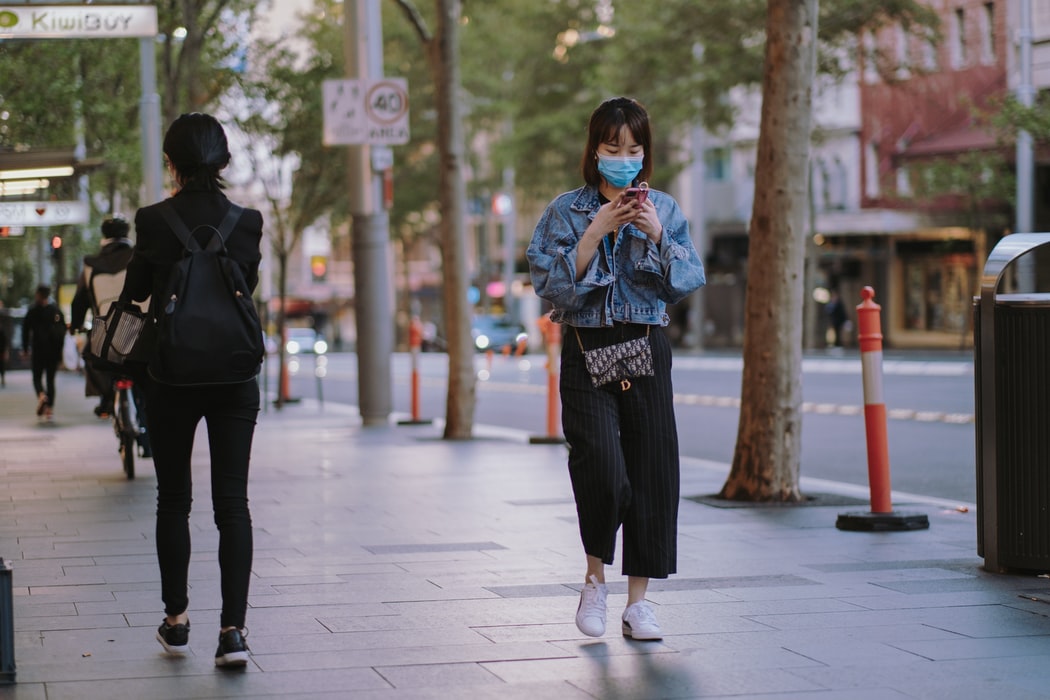
Furthermore, in many Asian cultures, like Japan, the real meaning behind mask-wearing was already understood. When we go out wearing a mask, what we’re actually telling all the people around us is “I respect you, and I want to protect you” (of course, all those who choose not to wear their masks are silently declaring the exact opposite). In the words of Garcia: “by spreading the culture and practice of mask-wearing, people are showing solidarity with each other, cooperating to ease the strain on their fellow humans”.
This deeper meaning behind the gesture of mask-wearing is slowly becoming understood by our societies too. That may be why I feel so warm and fuzzy when I go out and everyone around me has their faces covered ( even if not being able to see them causes me some anxiety), and it may also be why people are getting so heated when people don’t wear masks.
“There’s this cooperation aspect in wearing masks, a sense of contributing to the public good,” Garcia quotes Gordon raft-Todd from Boston College’s Morality Labs. “Anyone can say anything they want about their values, and often there’s no consequence—but there’s certain kinds of actions that show your beliefs”.
Hopefully those American Conservatives refusing to wear their masks will catch on to this soon.
If, like me, people in any kind of mask generally makes you feel a little on edge (If I can’t see your face I feel like you may be a bank robber), now you know why. As human beings we’re programmed to seek out faces and the signals they portray. Fortunately, we’re also intelligent enough to understand that this automatic process is happening within us, and work towards overcoming it.
One great way to start feeling calmer about the mask thing is to remember that everyone wearing their mask is doing it in order to protect you. Next time your mask gets a little stuffy in the supermarket, instead of taking it off and complaining about it, remember that you too are wearing it out of respect for the other human beings around you.
Share this article with any mask-haters you know, and let’s make the world a better, kinder, and safer place for everyone.
If you like our content and would like to support our independent media publication, please consider contributing towards our Patreon account
